


Lucky Tunes - Rewards & Music
4.22.00 Reviews
App Specs
- Version
- 1.0.1
- Updated On
- License
- Free
- Downloads
- 10,000+
- Developer
- JKL Build
- Categories
- Music & Audio
- Platform
- Android
Screenshots

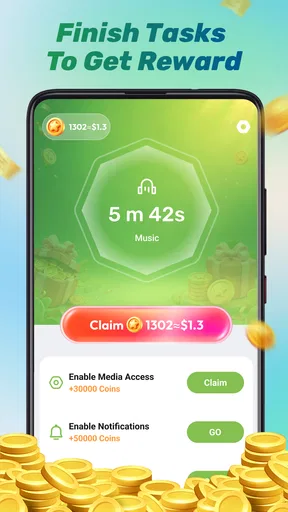
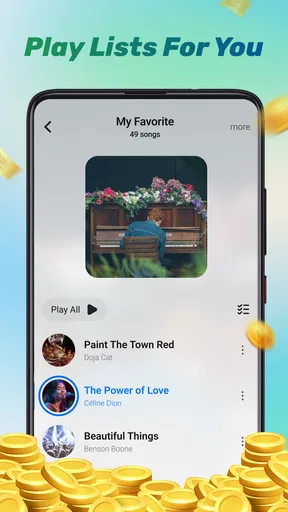
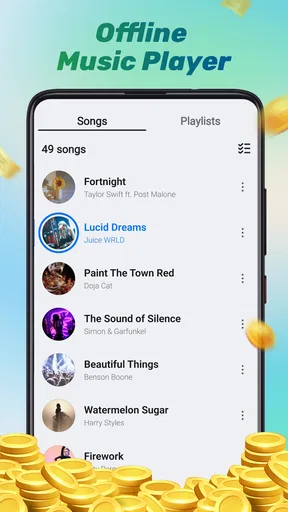
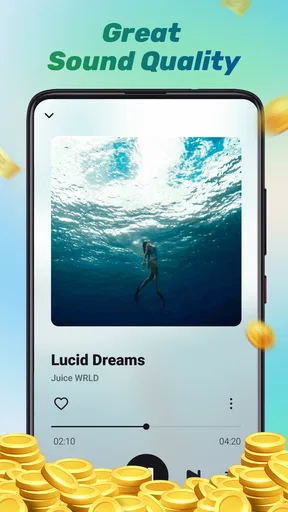
 Analysis by AppCompare
Lucky Tunes - Rewards & Music is the kind of small music and audio app I would approach with modest expectations, then judge by how comfortably it fits into ordinary phone use. Its basic appeal is easy to understand: it aims to make music part of a mobile routine while adding a rewards angle. I spent time looking at it less like a novelty download and more like something I might open during a commute, a break, or a quiet task at home.
That distinction matters because music apps are judged by more than their title. The real questions are whether the experience gets in the way of listening, how it behaves when the connection is weak, and whether the reward element feels like a useful extra rather than a distraction. In my view, Lucky Tunes is most interesting for casual listeners who want a lightweight way to explore music-related content. It is less convincing as a replacement for a full, established music service.
The app comes from JKL Build and sits in the Music & Audio category. It is free to use and carries an Everyone age rating, which makes it approachable for a broad audience. Its current version is 1.0.1, and it has reached over ten thousand installs. Those figures suggest a young, still-growing product rather than a mature platform with a long history of refinement.
How Lucky Tunes Handles Everyday Listening When the Network Matters
I look at network reliability as part of the listening routine, not just a technical detail: opening the app somewhere with a steady connection can spare a casual session from unnecessary delays. That also makes it easier to decide whether Lucky Tunes belongs in a particular moment or whether a locally available player is the better handoff.
Connection is part of the experience
The most important thing to understand before installing Lucky Tunes is that a music-focused app is naturally affected by connectivity. Screens that load audio, refresh content, or update reward-related activity can feel smooth on a reliable connection and much less comfortable when the network becomes inconsistent. I would not treat it like a traditional library of locally stored songs. Instead, I would plan to use it when the phone has a dependable connection and keep expectations realistic in places where service regularly drops.
This is especially relevant during travel. On a train, in a basement room, or in a crowded public area, a short interruption can change the mood of the session. A listener who only wants immediate, uninterrupted playback may prefer a conventional music player with content already stored on the device. Lucky Tunes makes more sense when the user is comfortable with a connected experience and does not mind waiting for the app to catch up if the network hesitates.
One practical habit I found useful is opening the app before settling into an activity rather than waiting until the exact moment I want music. That gives the interface time to load and makes it easier to see whether the session is ready. It also avoids the frustrating situation of starting a walk or household task and discovering that the first interaction is spent watching a page respond.
Worth Reading Before You Choose

Baby Panda World Brings Quick Play to Modern Phones, but Its Game Library Feels Busy

ESPN’s Live Game View Makes Following Close Games Easier

QuizzLand Review: A Good Fit for Short Trivia Breaks, Not Every Player

Basketball Stars: Multiplayer Is Fast, but Can It Recover When Matches Go Wrong?

WEBTOON Turns Phone Updates Into a Better Reading Routine

Link to Windows Runs on Shared Habits, Not Social Feeds
Where it fits on a phone
Lucky Tunes feels better suited to short, flexible sessions than to carefully planned listening. I can imagine using it while making breakfast, tidying a room, taking a casual break from work, or browsing for something different when I do not already have a specific album in mind. The rewards concept adds a reason to return, but I would not let it dictate every listening decision. Music should remain the main reason to open the app.
A realistic example would be a student taking a break between study sessions. With a stable connection, the student can open Lucky Tunes, explore the available experience, and listen for a while without committing to a long setup. If the connection becomes unreliable, the app may be better left for later rather than repeatedly restarted. That small change in routine makes the experience less irritating and prevents a casual break from turning into technical troubleshooting.
It also works for people who use one phone for many small activities. Because the app is free and aimed at Everyone, it is easy to consider as an extra rather than a major subscription commitment. Still, users who need advanced organization, highly predictable playback, or a deep personal collection should compare it with established streaming services and dedicated audio players before making it their main option.
What the rewards angle changes
The rewards element gives Lucky Tunes a different personality from a plain music player. It can make opening the app feel more purposeful, particularly for someone who enjoys checking in regularly or discovering music through a less formal routine. The trade-off is attention. Any reward-driven interaction can encourage users to focus on completing an action instead of simply enjoying what they hear.
My advice is to treat rewards as a secondary benefit. If the music experience is enjoyable, the extra motivation is welcome. If the reward layer becomes the only reason to return, the app may start feeling like a task. That is a useful test for deciding whether it belongs on your phone: after the novelty fades, would you still open it because the listening experience suits you?
Another sensible approach is to use it in defined windows. A short session during a break is easier to evaluate than leaving the app open constantly. This also helps users notice whether the app is genuinely adding value or simply competing with the music tools they already use.
Recovery when loading goes wrong
Connectivity problems are not always dramatic. Sometimes a page takes longer than expected, an audio action does not respond immediately, or a refreshed section appears incomplete. In those moments, the best workflow is patient and simple: pause before tapping repeatedly, check the connection, and try the action again once. Repeated taps can make it harder to tell whether the app is still processing or whether the request failed.
If the experience remains stuck, closing and reopening the app is a reasonable recovery step. I would also avoid judging the whole product from one bad session in a weak-signal location. At the same time, frequent recovery steps are a genuine cost. A music app should reduce friction, not turn every listening attempt into a test of patience.
The current version, 1.0.1, reinforces my view that this is an early product worth evaluating with some flexibility. Early versions can feel promising while still needing polish around edge cases. That does not make Lucky Tunes unusable, but it does mean I would keep an eye on how reliably it behaves in the places where I normally listen.
Using it without wasting mobile data
Anyone with a limited mobile plan should be deliberate about when they use a connected audio app. I would start sessions on Wi-Fi whenever possible, especially if I expect to browse for a while rather than listen briefly. Avoiding unnecessary refreshes is another simple improvement: if a screen is already loaded, there is little benefit in repeatedly leaving and reopening it just to see whether something has changed.
It is also worth paying attention to context. A short session over mobile data may be perfectly reasonable, while a long listening period can become less attractive if the app needs to repeatedly load content. Since I would not assume offline access, I would not rely on Lucky Tunes as my only option for flights, remote trips, or locations where connectivity is part of the problem.
For a data-conscious routine, I would use Lucky Tunes mainly at home or in places with dependable Wi-Fi, then switch to an audio app designed around locally available content when I know I will be disconnected. That division of labor is more practical than expecting one free app to cover every listening situation.
How it compares with familiar alternatives
Against a standard music player, Lucky Tunes has a more active and exploratory feel because listening is connected to a rewards-oriented concept. A basic player is usually better when I already know which files or recordings I want and need immediate control. Lucky Tunes is more appealing when I want a reason to browse or try something outside my usual routine.
Compared with major streaming platforms, it is easier to see Lucky Tunes as a companion rather than a direct substitute. Large services generally focus on extensive catalogs, mature discovery tools, playlists, and predictable listening workflows. Lucky Tunes stands out through its simpler, reward-focused identity, but that same focus may not satisfy someone who wants deep catalog control or a polished long-session experience.
There is also a difference in commitment. A free app can be attractive to someone who does not want another paid music plan. On the other hand, users who already pay for a service they trust may find that switching is not worthwhile unless Lucky Tunes offers a distinct habit they genuinely enjoy. I would install it for curiosity and casual use, not assume it should replace everything else immediately.
Who should try it, and who should skip it
I think Lucky Tunes is a reasonable choice for casual listeners, people curious about reward-based music experiences, and users who want a free app to sample during short connected sessions. It may also suit someone who likes checking in with an app as part of a daily routine, provided the reward side remains enjoyable rather than demanding.
I would be more cautious if you need uninterrupted listening in poor-signal areas, want a carefully organized personal library, or expect the depth of a major streaming platform. It is also not the first app I would recommend to someone who dislikes reward mechanics or wants music to stay completely separate from other forms of engagement. In those cases, a dedicated player or established streaming service is likely to feel more natural.
My connectivity verdict
Lucky Tunes is best understood as a free, early-stage Music & Audio app whose appeal depends on combining casual listening with a rewards concept. The experience is strongest when I use it intentionally: on a stable connection, in short sessions, and with the understanding that it is not necessarily a complete replacement for every other music tool.
Its average rating is 4.2 from around seventy ratings, with two written reviews, so the public response is encouraging but still limited in breadth. I would read that as a positive early signal rather than definitive proof that it will suit every listener. The app’s reach of over ten thousand installs also gives it some visibility without making it feel like an established mainstream service.
My final recommendation is straightforward: try Lucky Tunes - Rewards & Music if you want a free way to add a rewards twist to casual music use and you are comfortable depending on a reliable connection. Keep a familiar alternative available for weak-signal situations, long trips, and serious listening. For me, the strongest reason to install it is curiosity and routine variety; the clearest reason to skip it is the need for complete control and dependable playback wherever the phone happens to be.
In short, Lucky Tunes - Rewards & Music has a clear place as a lightweight companion for connected listening. Its success will depend less on grand features and more on whether each session feels quick, understandable, and worth returning to. Used within those limits, it can be a pleasant addition to a mobile music routine rather than an app that promises to replace the entire category.
Pros
- Earn rewards while listening to music and exploring new tracks.
- Simple interface makes the app easy to navigate for new users.
- Music discovery can introduce listeners to lesser-known artists.
- Short tasks and listening sessions fit easily into daily routines.
- Free to download with opportunities to collect points without paying.
Cons
- Reward rates may be low compared with the time required to earn points.
- Some features or rewards may vary by country and user location.
- Frequent ads can interrupt listening and make sessions feel repetitive.
- Points may expire or have redemption limits depending on the current terms.
- Background playback and battery use may affect longer listening sessions.
FAQs for Lucky Tunes - Rewards & Music
What is Lucky Tunes - Rewards & Music, and how does it work?
Lucky Tunes - Rewards & Music is an entertainment and rewards app that combines music-related activities with opportunities to collect points or prizes. After installing it, users can typically listen to available content, complete in-app tasks, and interact with promotional features to earn rewards. The exact activities, earning rates, and available prizes may vary by country, account status, and current campaigns.
Can I really earn money or gift cards with Lucky Tunes - Rewards & Music?
The app may provide rewards for completing eligible activities, but it should not be viewed as a guaranteed source of income. Rewards, points, and redemption options depend on the rules shown inside the application and may change over time. Before investing significant time, check the minimum withdrawal requirement, supported reward types, processing times, and whether your location is eligible.
Is Lucky Tunes - Rewards & Music free to download and use?
Lucky Tunes - Rewards & Music may be free to download, although the app can include advertising, optional purchases, or other monetization features. A free download does not necessarily mean that every feature is unlimited or completely ad-free. Review the store listing and the app’s payment screens carefully, and avoid confirming any purchase unless the price and recurring billing terms are clearly displayed.
What personal information does Lucky Tunes - Rewards & Music require?
The information required can depend on the device, region, and reward method you choose. The app may request basic account details, advertising identifiers, device permissions, or information needed to process a redemption. Before creating an account, users should read the privacy policy and review permissions in Android or iOS settings. Only provide information that is necessary for the features you intend to use.
Are there any important limitations or risks before using the app?
Users should expect that reward availability, music content, advertisements, and qualifying tasks may differ between countries and may be changed or removed without notice. Some activities can also require an internet connection and may involve third-party promotions. Keep expectations realistic, follow the app’s terms, and never pay money or share sensitive financial details merely to unlock a promised reward.


